




Friday, April 22, 2011
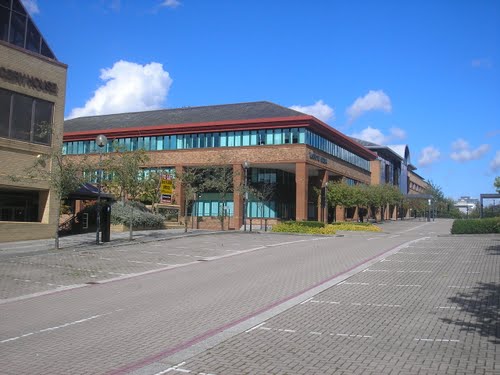
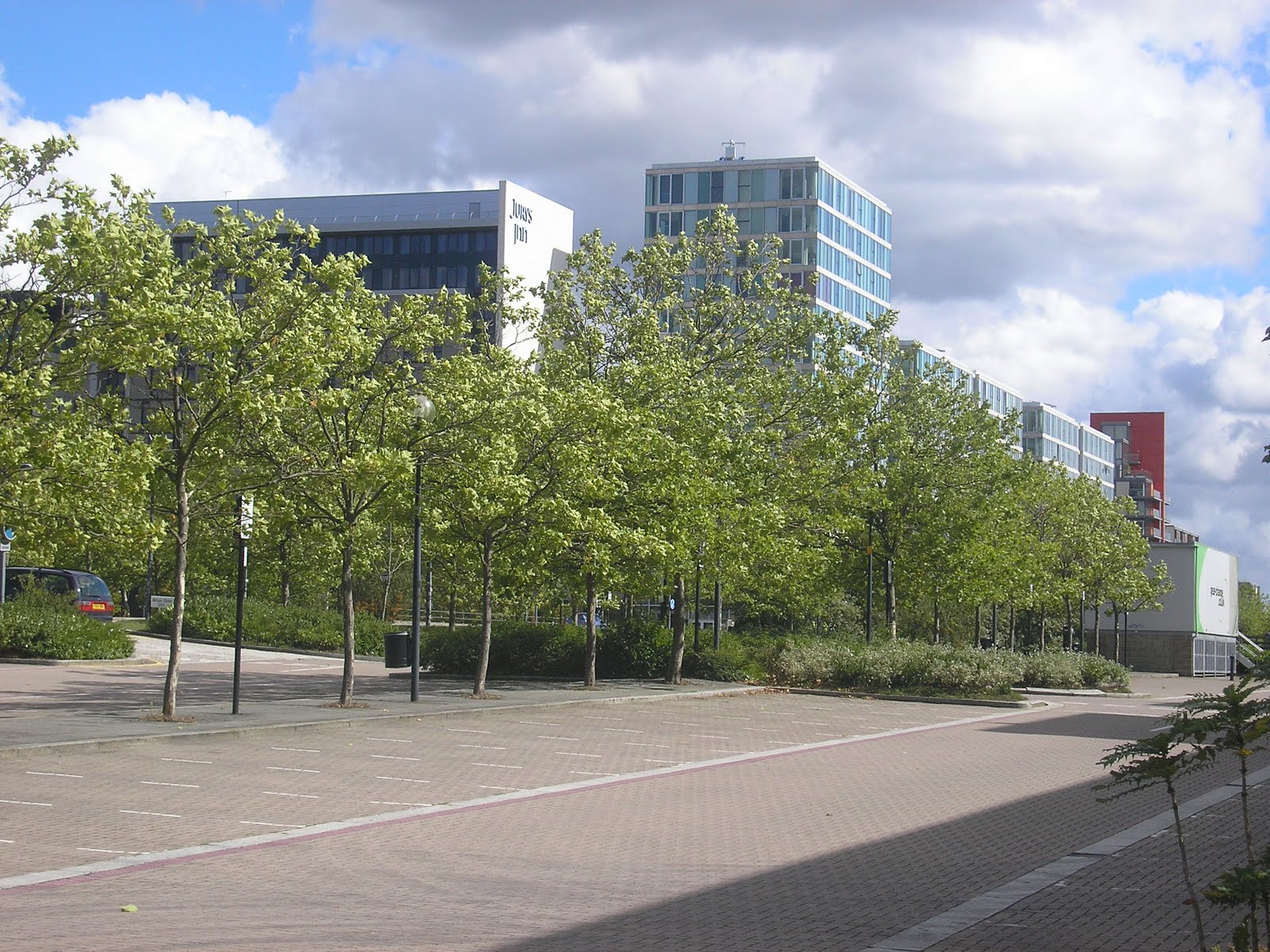
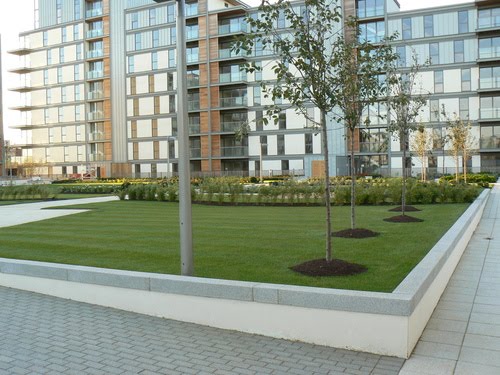
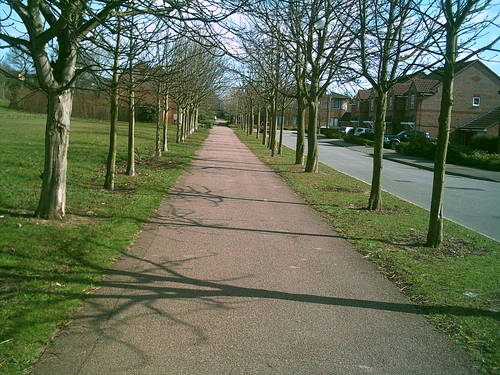
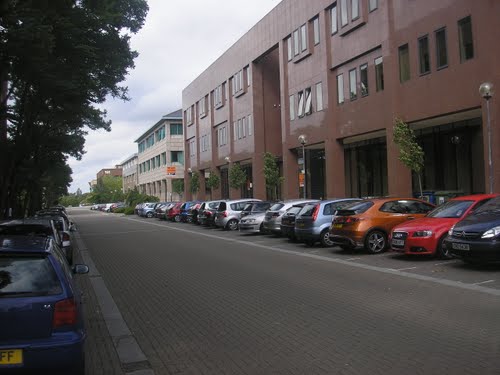
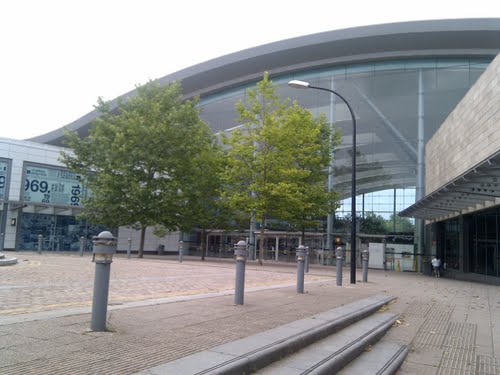
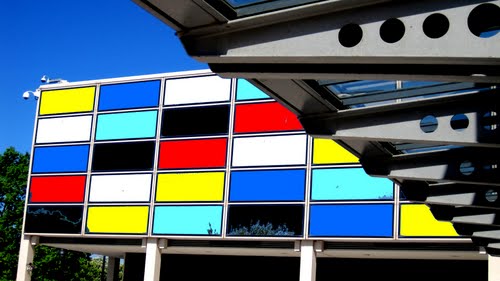
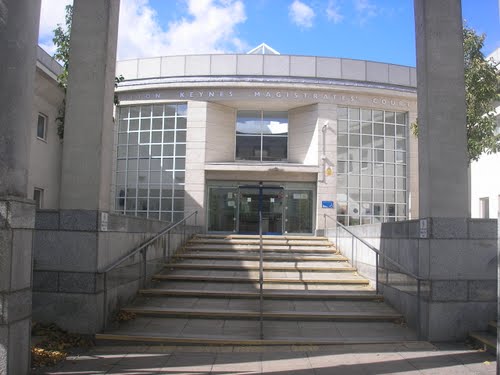
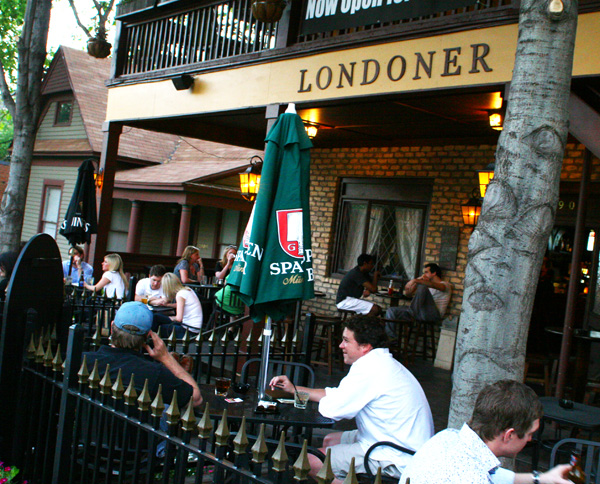
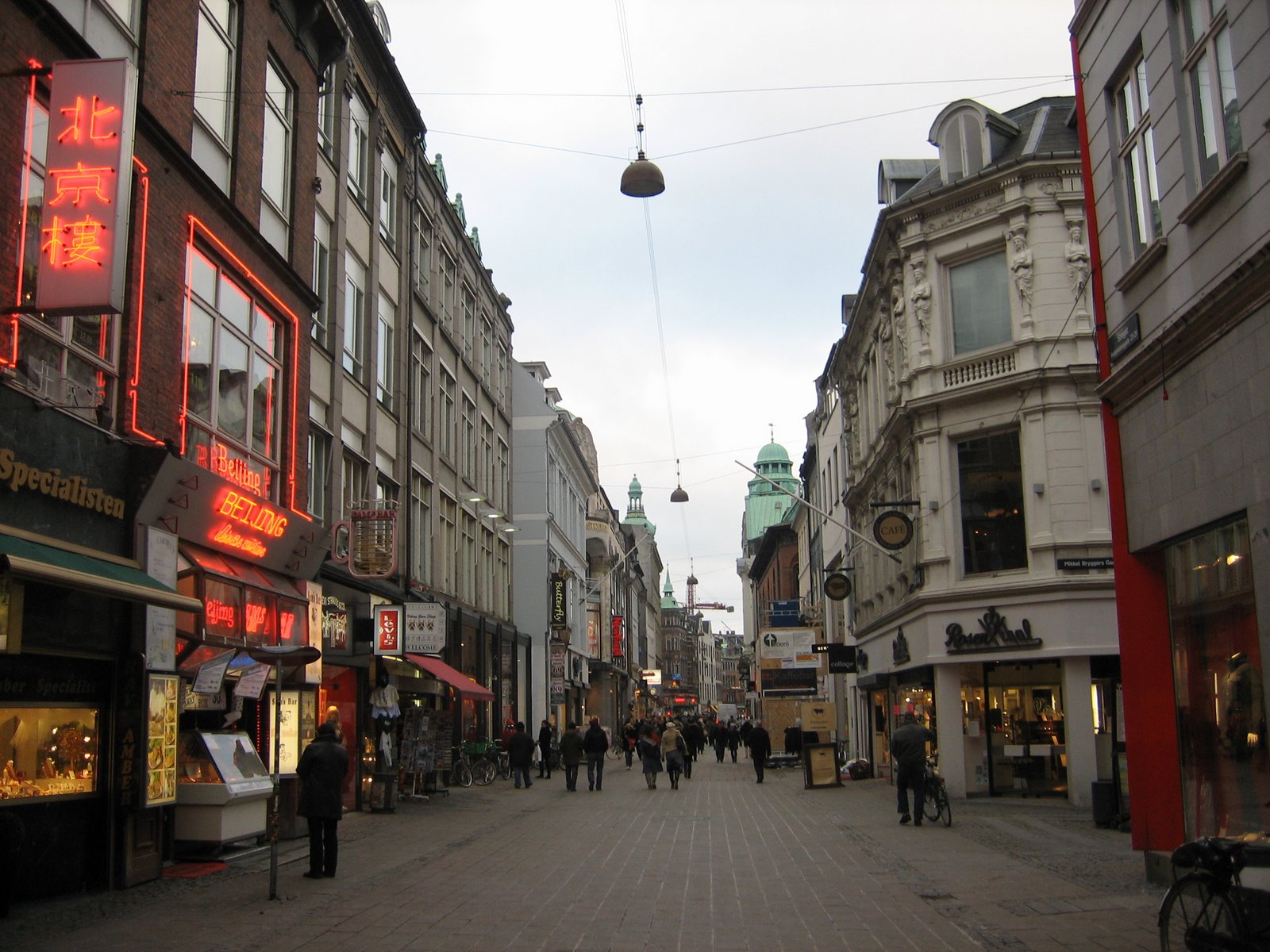
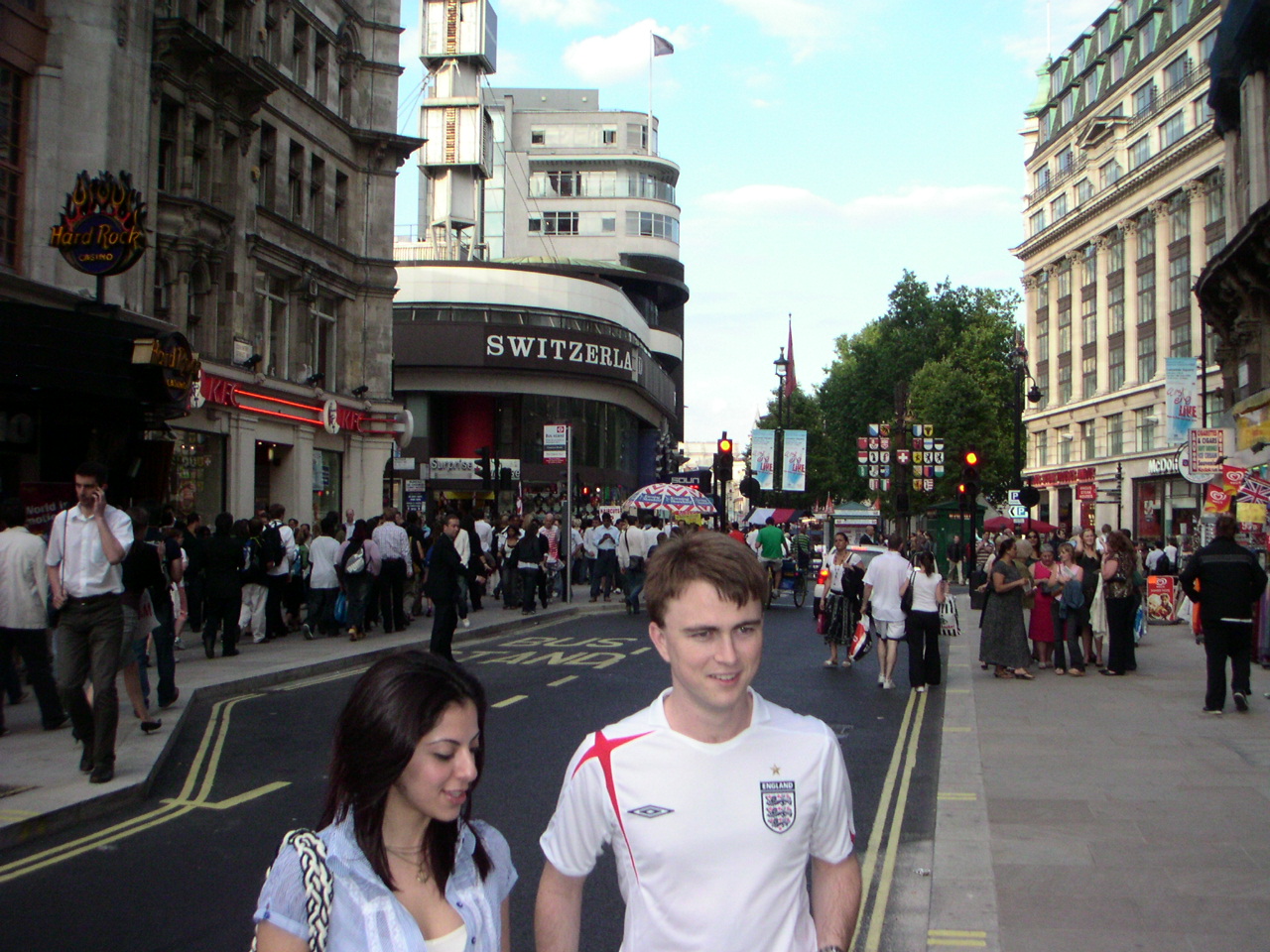
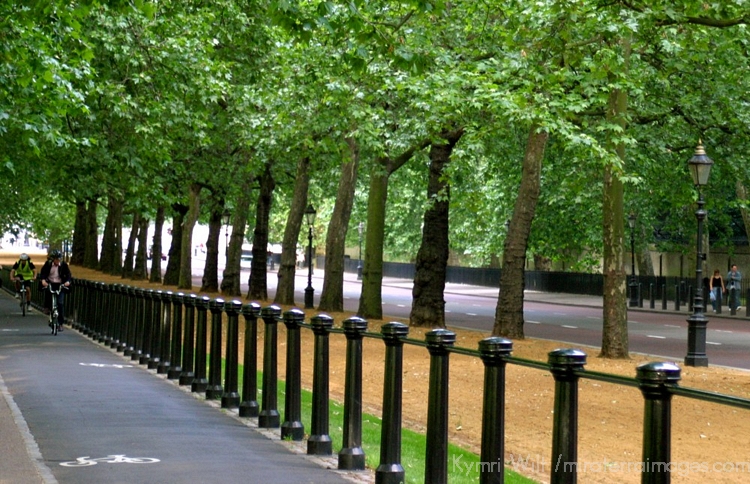
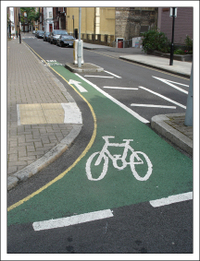
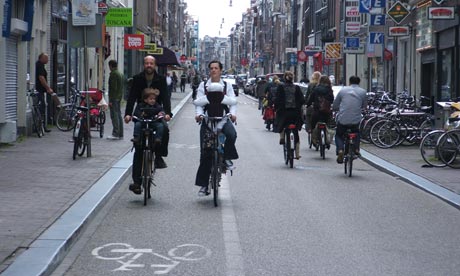
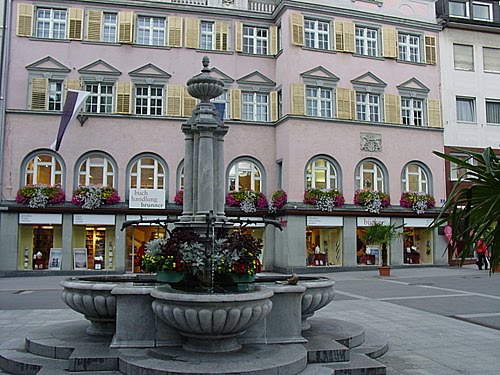
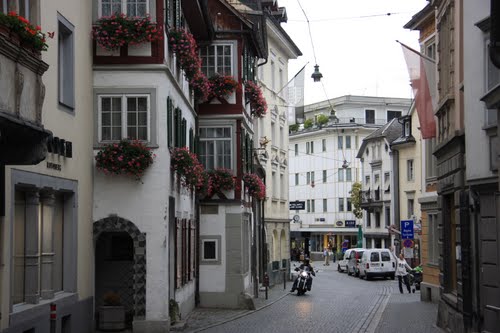
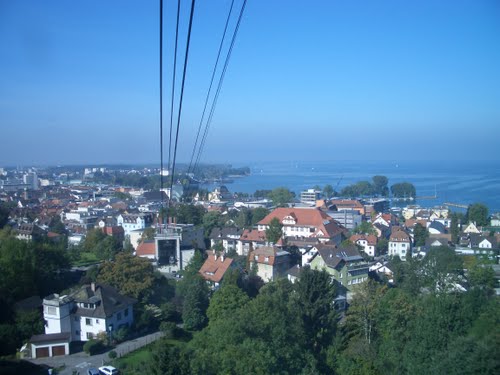
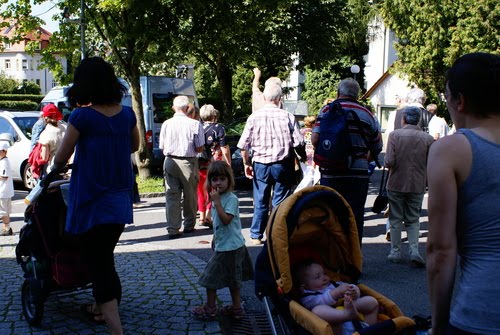
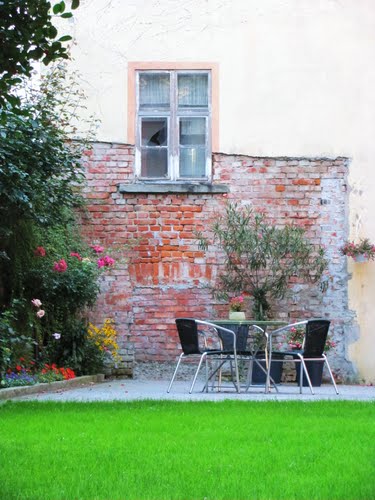
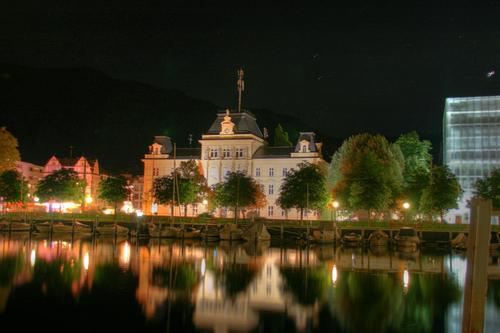
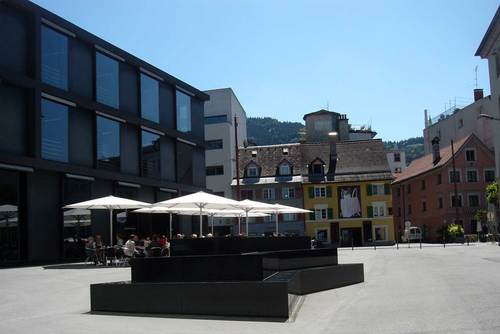
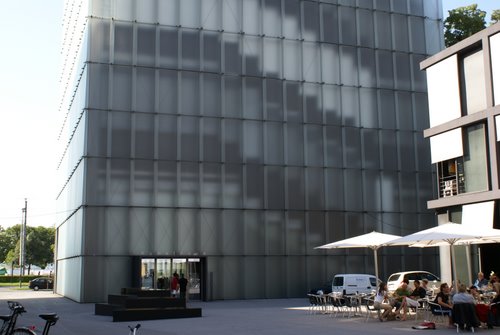
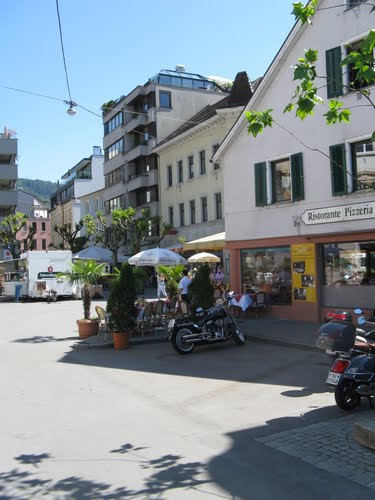
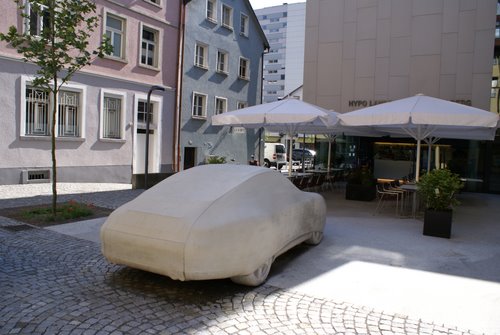
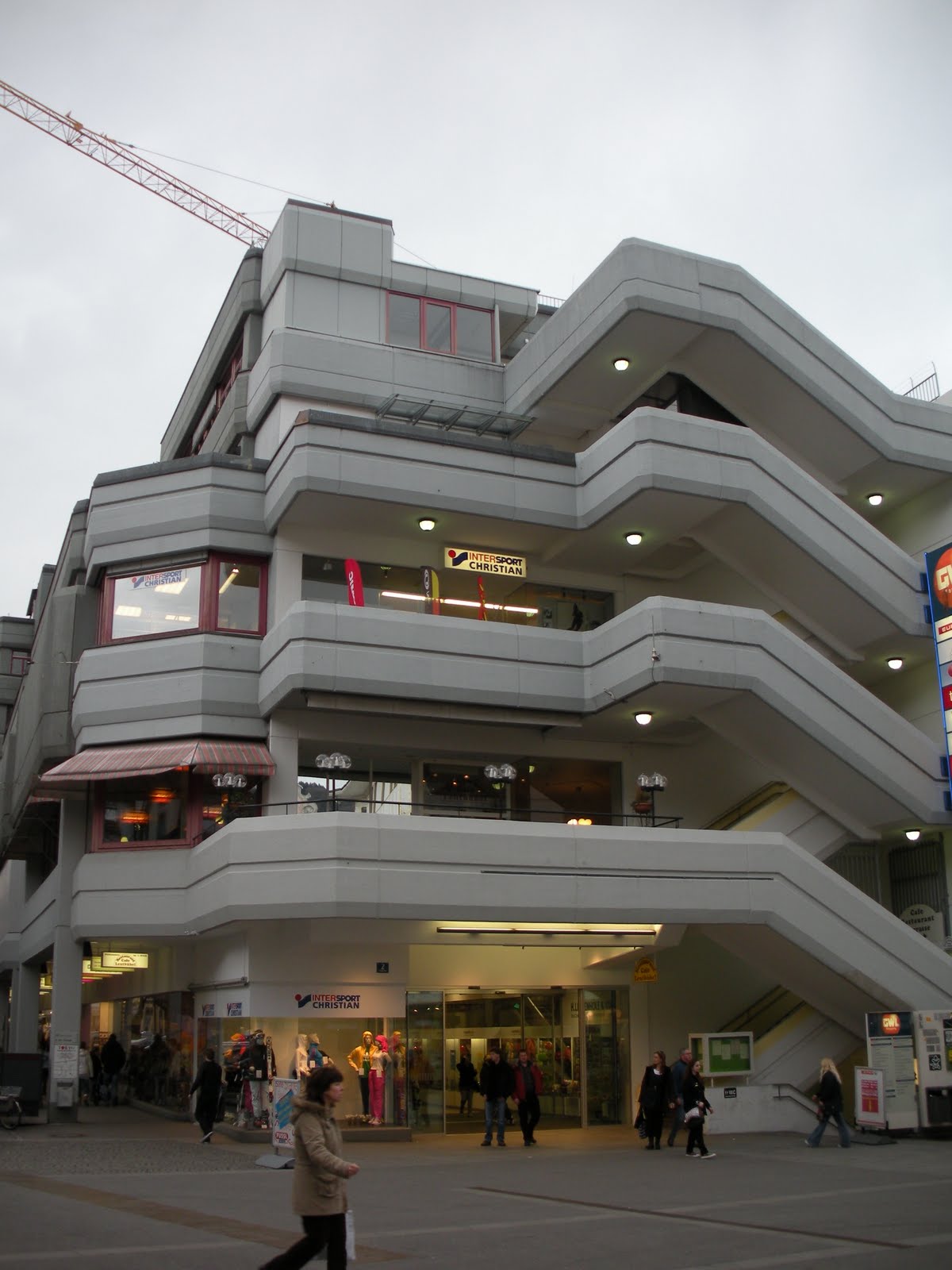
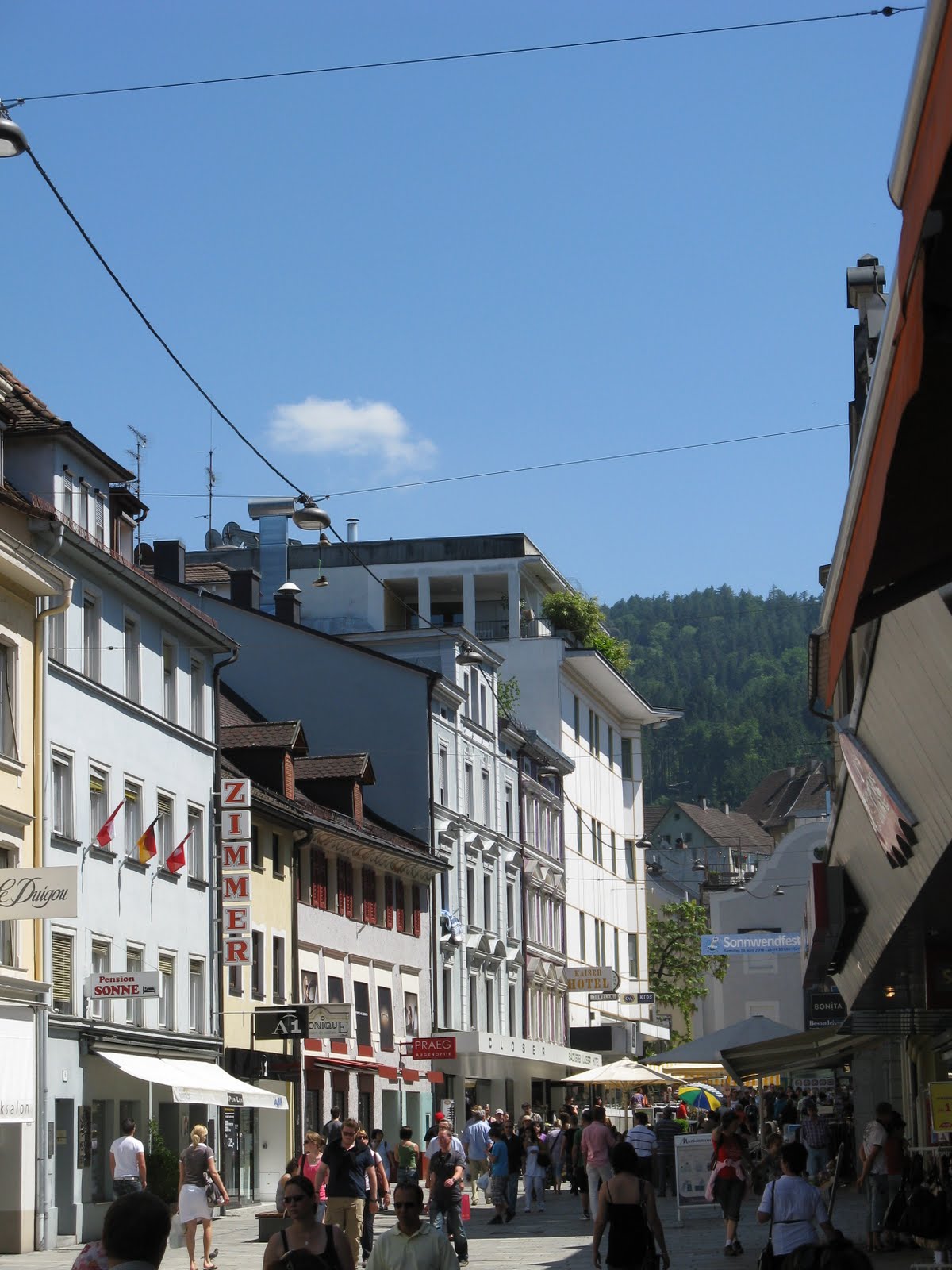
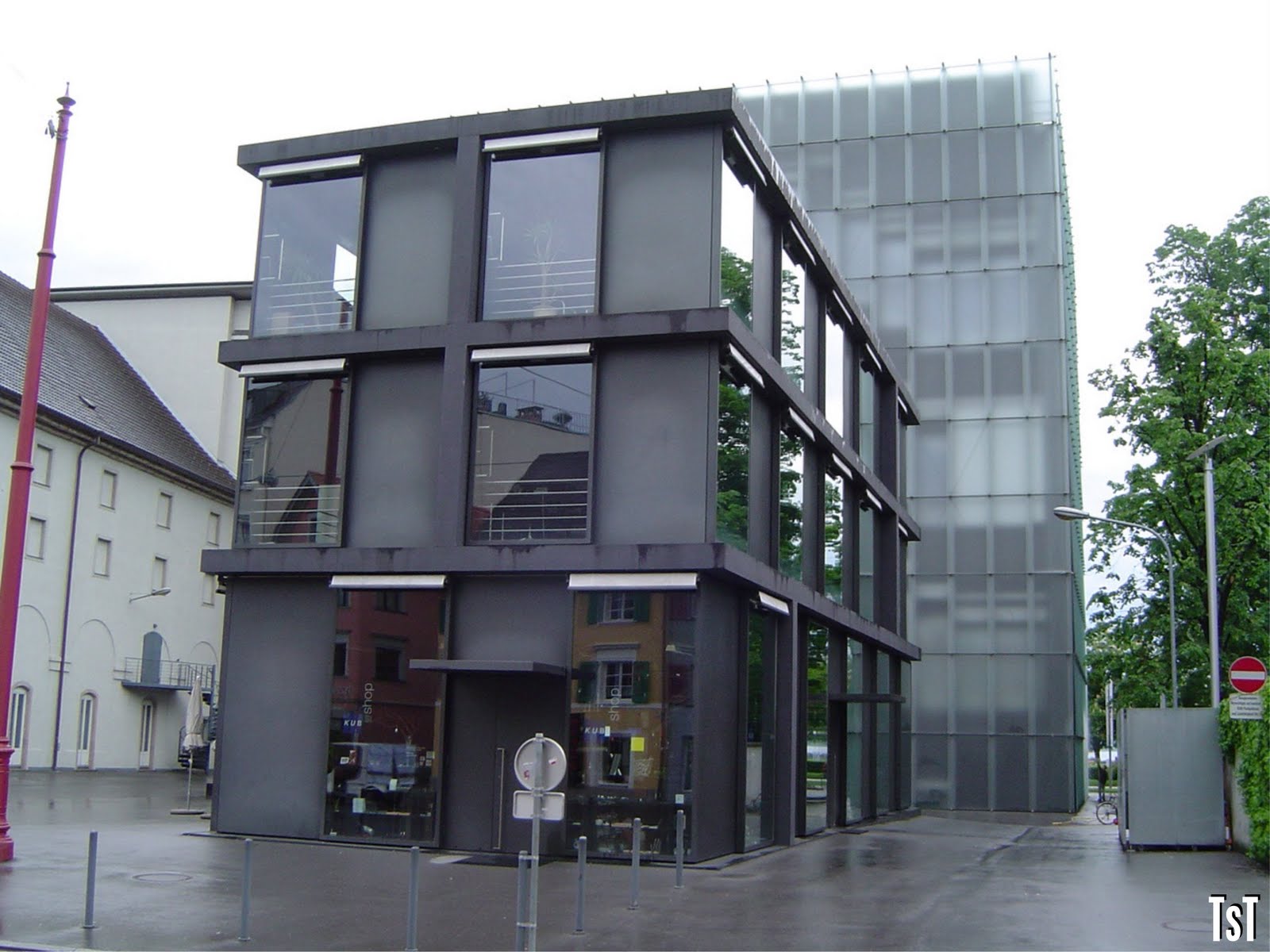
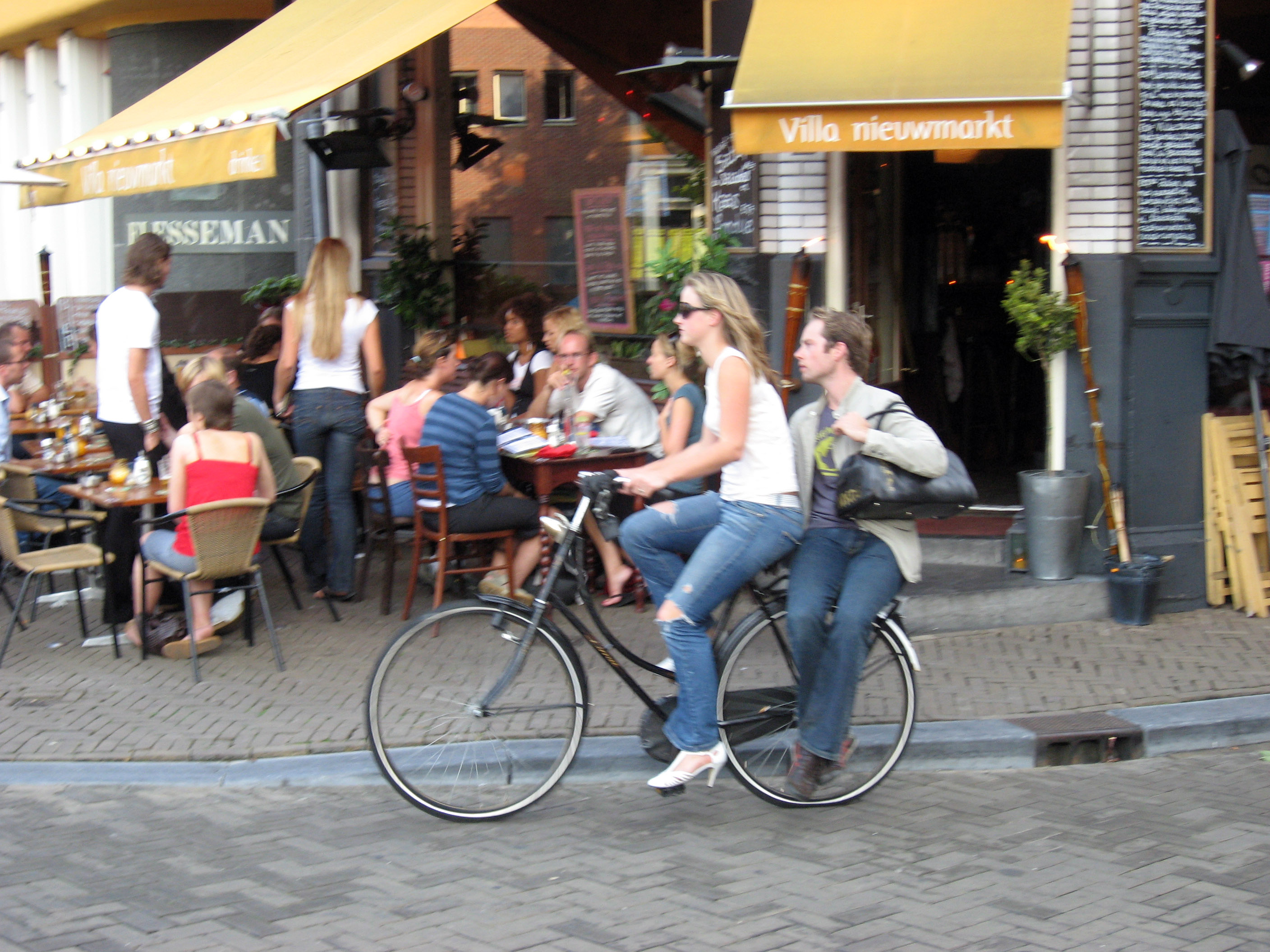
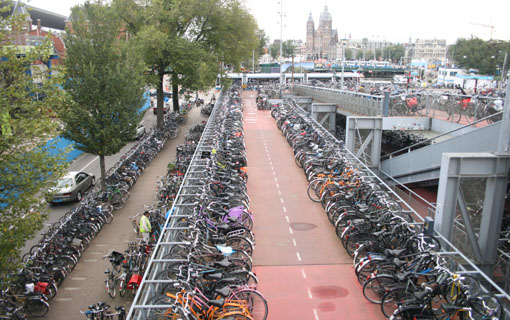
Free Beer Friday Guess The City
Thursday, March 31, 2011
CNU-NTX Happy Hour
Eventually, we plan on beginning project/development tours as well to coincide with happy hours or urban conversations that the CNU hosts in order to raise the level of dialog and understanding while democratizing the conversation as well as any resident of the city can be just the urbanist of a practicing professional. For tonight though, it will just be about tasty adult beverages, conversations about cities, development, urbanism, or what have you, amongst friends (old and new) and colleagues.
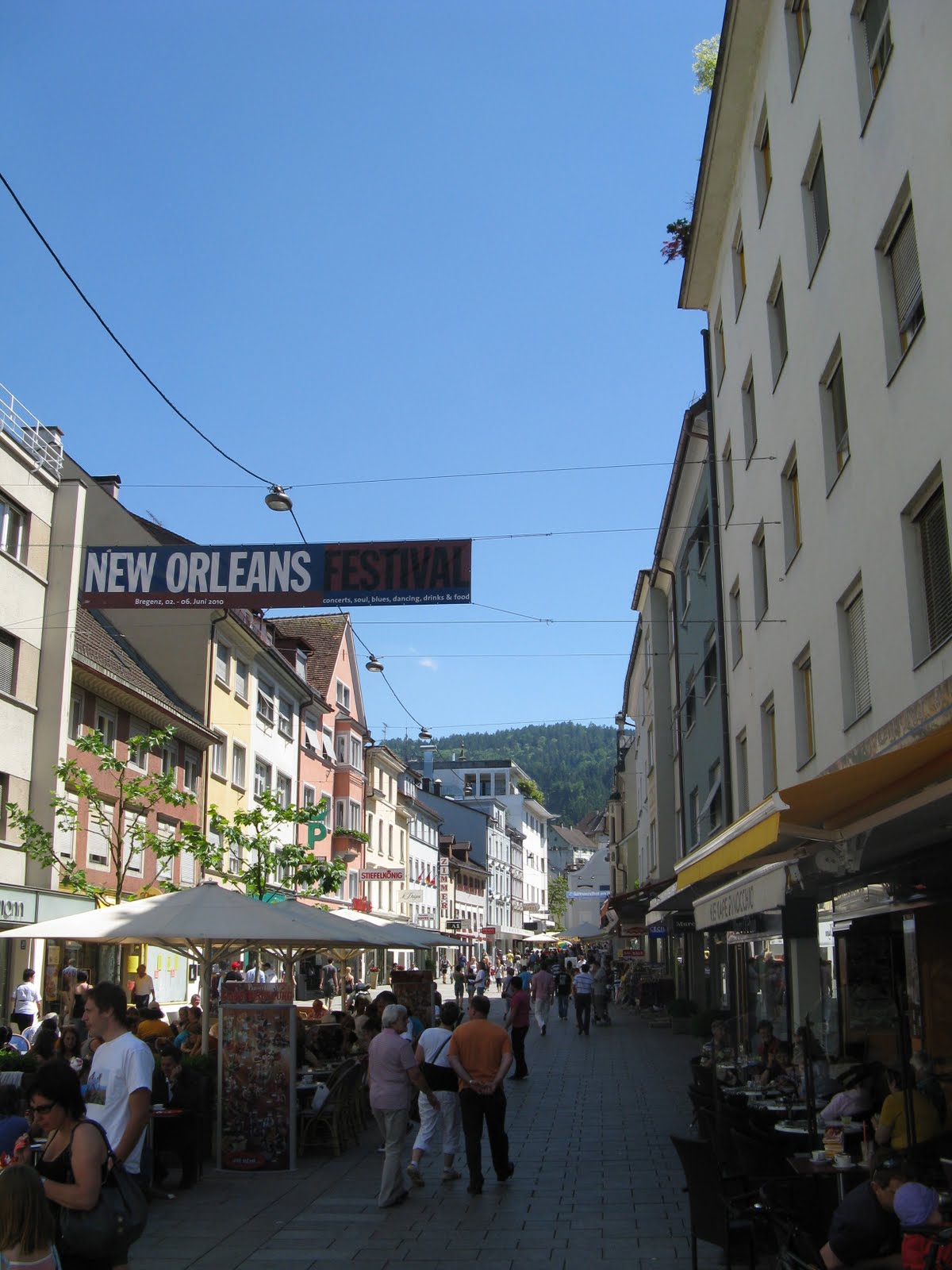
So if you care about your city or your neighborhood, come on out. Brian McLaren promises to buy a beer for the first three attendees (not sure if that includes himself and yours truly), but I intend to double down on his offer as well. Perhaps for the last three survivors. I am Irish after all.
Friday, February 18, 2011
WalkableDFW Happy Hour


Friday, December 10, 2010
Free Beer Guess the City: Making its Triumphant Return
Monday, November 29, 2010
Bars of a Different Scale
You’re absolutely right to call out the causes/effects of clustering. What we are dealing with in Dallas is a case where the clustering is happening on traditional neighborhood service streets where you once found a full ecology of commercial establishments. They all became bars drawing from the entire metroplex. The parking and the noise eat into the nearby neighborhoods causing conflict.
The solution I have been proposing is to designate neighborhood centers distinct from regional centers. These have to be located in areas suitable to supporting the varying scales, ie a regional center has to be supported by the regional transpo infrastructure, such as having a regional metro stop there. It should also have a parking authority to manage supply/demand of parking and price it accordingly. Because of the increased infrastructure, these will also be denser areas.
On the other hand, neighborhood centers should probably have a parking cap, so that retail doesn’t over cluster in certain areas, thus protecting neighborhoods and a BID be established to manage the array of business types in support of the nearby neighborhoods. These will be less dense/less intense areas but there will be a broader array of retailers serving daily needs of the neighborhood. It behooves the businesses to be sized and scaled for the neighborhood and vice versa.
To sketch out what these look like, I think of New Orleans. Where Bourbon Street is the regional draw (or larger) and the place for loud and rowdy, Magazine Street might be that neighborhood service spine and there might only be a bar every few blocks that belongs to and is supported by the neighborhood.
Friday, July 23, 2010
Friday Happy Hour
*Not intended to be challenging

Friday, July 9, 2010
Free Beer Friday Guess the City
Difficult one today in my estimation.
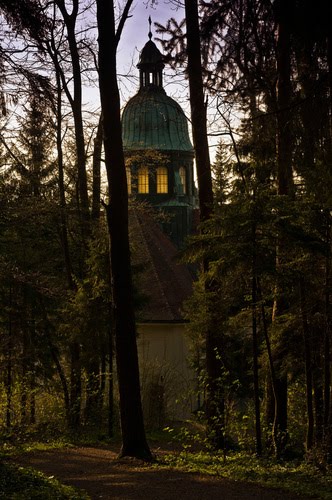
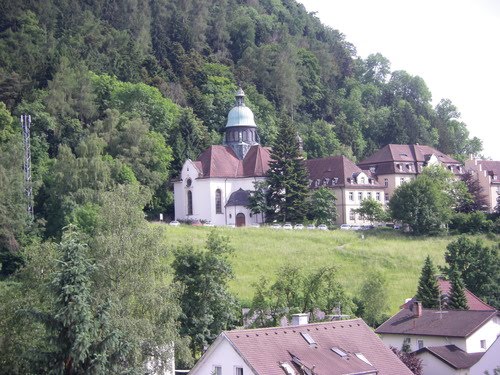
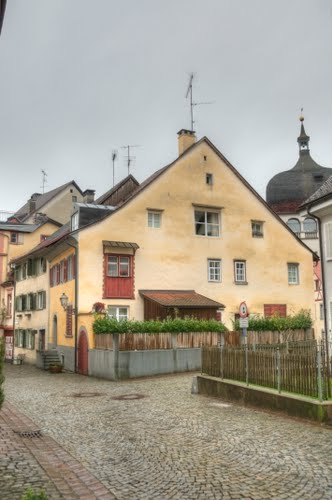
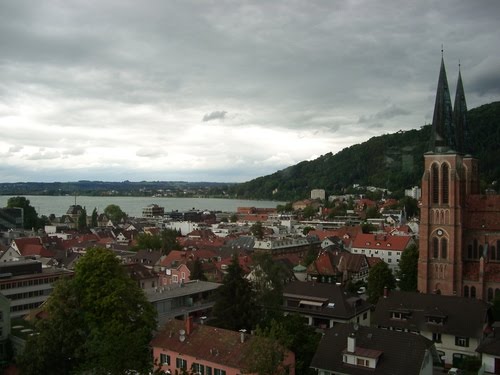
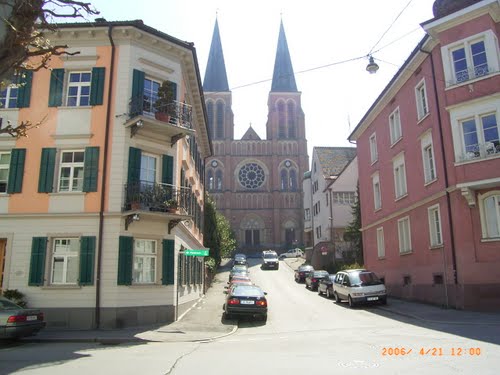
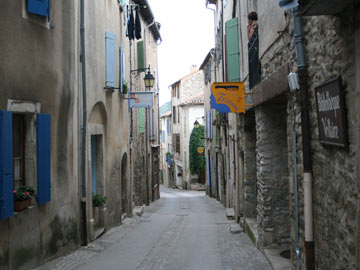
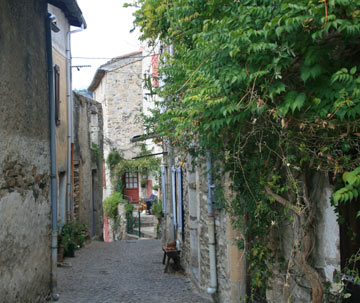
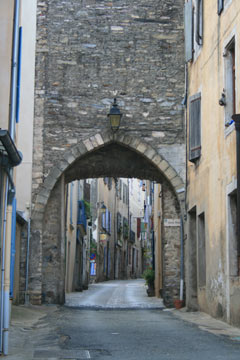
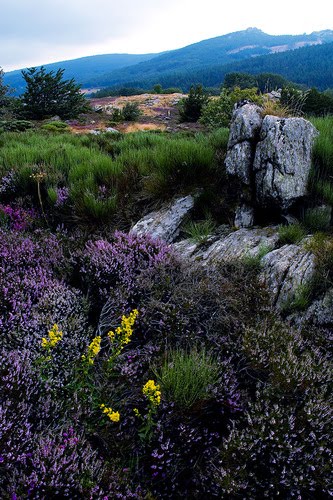
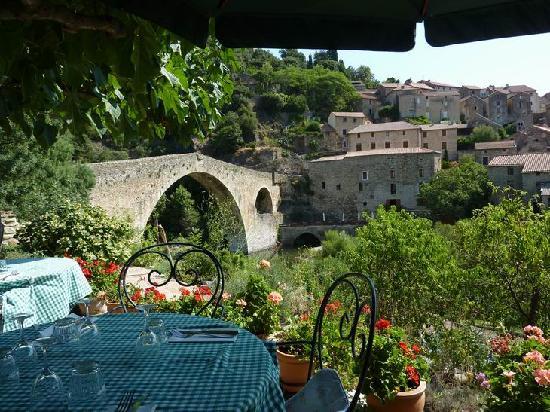
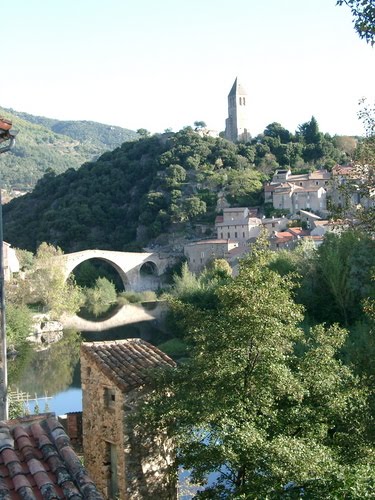
A sleepy little village, one that might be the quintessential European mountainside hamlet occupying a hopeful portion of the neo-cortex. A place we dream of perhaps one day visiting if it indeed exists. It does, which is also why once it was rediscovered (again) by hikers during the middle of the 20th century it eventually gained in popularity amongst artists, writers, and various others in search of a temporary peace of mind in order to free that portion responsible for imagination to be set free, no longer occupied with the thoughts of whether such a place might exist.
Before that however, we must retrace the cities roots. It sprung up as a crossroads town between resource, production & manufacturing, and market as many have throughout history. In this case, an empire in search of iron for various tools of warfare and engineering. Eventually, like all empires it whithered away as its nearby resource was found more attainable elsewhere until it was found again in medieval ages where a few families existed long enough for just one elderly person to be found by the hikers, who immediately did what new, hopeful and empowered micro-empires do, they bought the place. All of it.
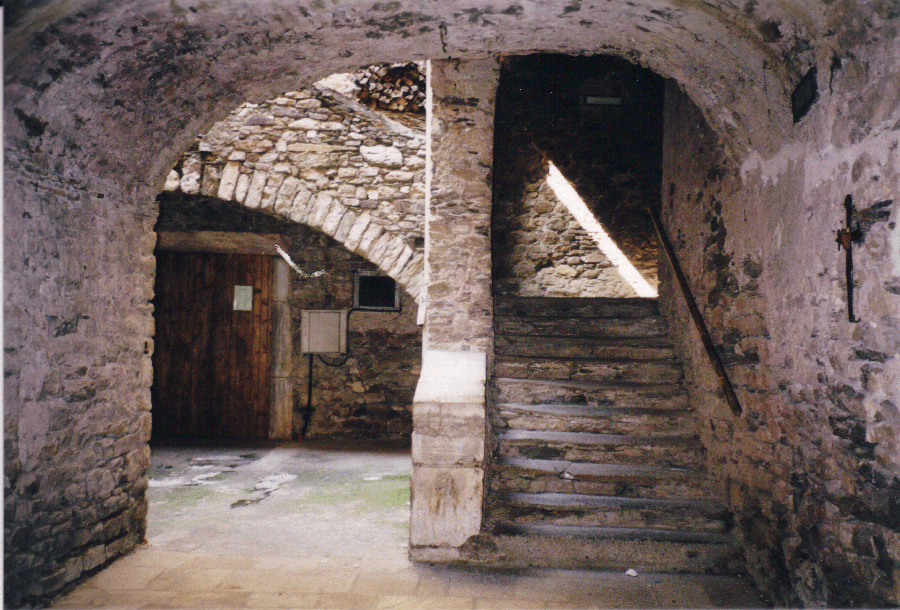
Fortunately, since it was so remote and isolated, lacking various infrastructure including any improvements to the nearly two millennium-old roads, still fifteen feet wide and made of stone just as they had been built, no electricity or running water beside the mountain stream running past and with little as of yet demand to add such technological pleasantries, it remained, cheap as can be. Cheap enough for artists to colonize anyway, thus making it popular and bringing it to a spec of the world's awareness where it sits, largely unchanged and fortunately not yet Disneyfied.
Perhaps to assist, these are several pages of Jane Jacobs' words, filtered and distilled through my own caustical perspective. And even if you were to find the book I am referencing here (it is one of her much lesser known), making this guess the city more difficult is that Janey was using the name of the region, not the Commune where it now houses less people than some might have graduated high school with...or at least in my case, began high school with before attrition. Who woulda thought high school was so difficult. But I digress:
If nothing else, this place represents a new world where in the age of google earth and the internet, nothing disappears...unless we want them to.


And here is a reminder: Don't be an ass this weekend.