





Of course, this also implies that those managers and appointed stewards of districts, neighborhoods, and cities must also care enough to WANT direct feedback and interface with the area users.But what if we took a single step further out? What if we imagined that the citizen-responsiveness system we’ve designed lives in a dense mesh of active, communicating public objects? Then the framework we’ve already deployed becomes something very different. To use another metaphor from the world of information technology, it begins to look a whole lot like an operating system for cities.
Then we can begin to treat the things we encounter in urban environments as system resources, rather than a mute collection of disarticulated buildings, vehicles, sewers and sidewalks. One prospect that seems fairly straightforward is letting these resources report on their own status. Information about failures would propagate not merely to other objects on the network but reach you and me as well, in terms we can relate to, via the provisions we’ve made for issue-tracking.
-----------------------
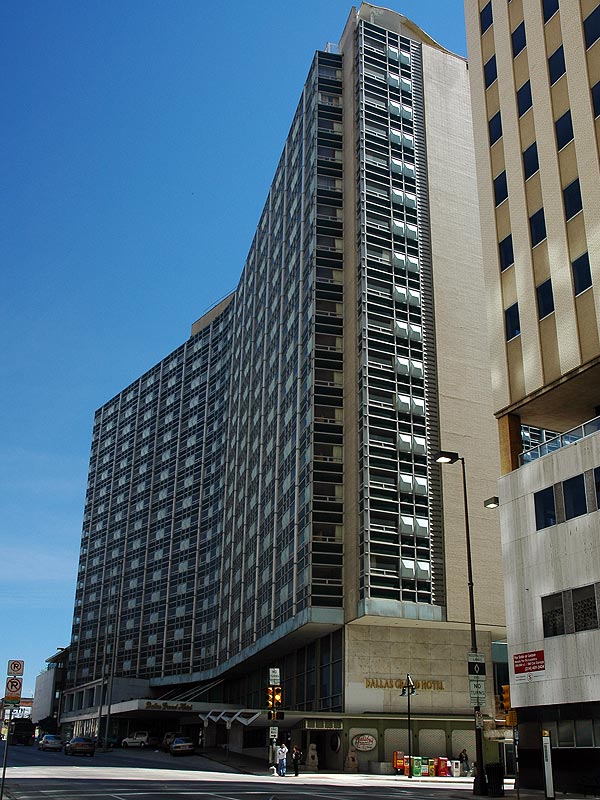
Kevin Walker, of CultureLab, writing for DallasSouthNews asks whether Dallas can ever attract Creatives:
There is hope however, and it is evident in the budding creative class businesses of the Southside Lofts, the Cedars area, and Deep Ellum. What is needed to make it a bigger magnet of more creative class workers and young urbanites is more attention paid to and active civic promotion of the creative class areas and businesses.The What is fairly straight-forward, as is the Where. The How is where it gets a little more complex, or at least, with greater potential for apple-cart upsetting. Change can represent a relinquishing of control that might upset various fossilized technocrats closed to not just new ideas, but necessary and proven ones just because they might differ from the familiar.
----------------------
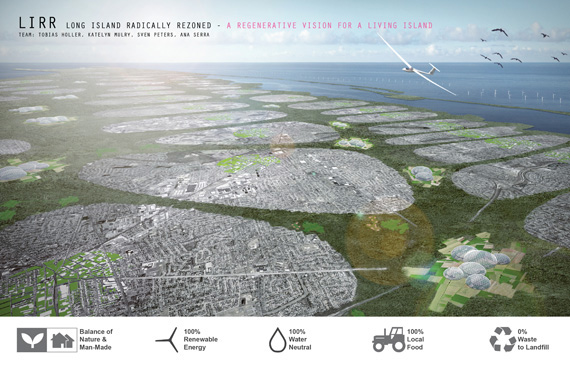
The Long Island Build a Better Burb competition has received all of its submittals. You can see a summary here or check out all of the entries here, where the hosts are inviting crowd-sourced feedback.
The Long Island Index invited architects, urban designers, planners, and students to submit forward-thinking design proposals for capitalizing on the potential of the “underperforming asphalt” found in dozens of downtowns in New York’s Nassau and Suffolk counties. The competition solicited innovative design ideas for retrofitting 8,300 acres in 156 downtowns and train station-adjacent areas on the island. It also invited designers to consider island-wide challenges that could be addressed by their design strategies.The submissions I have examined thus far range from the practical and market-oriented to the great idea, thoughtful, but completely disconnected from reality, which is sometimes the purpose of competitions, to bend our minds, mine for utility, and then assimilate the other-worldly into the useful march of progress.




 Posts
Posts